


Naloxone is a Proven Lifesaver for First Responders
The overdose epidemic is an ongoing public health crisis, with fentanyl, a powerful synthetic opioid, playing a significant role in overdose deaths. HarborPath is working to save lives from this rampant crisis by making naloxone available and accessible to those who need it most.
Ken Trogdon —
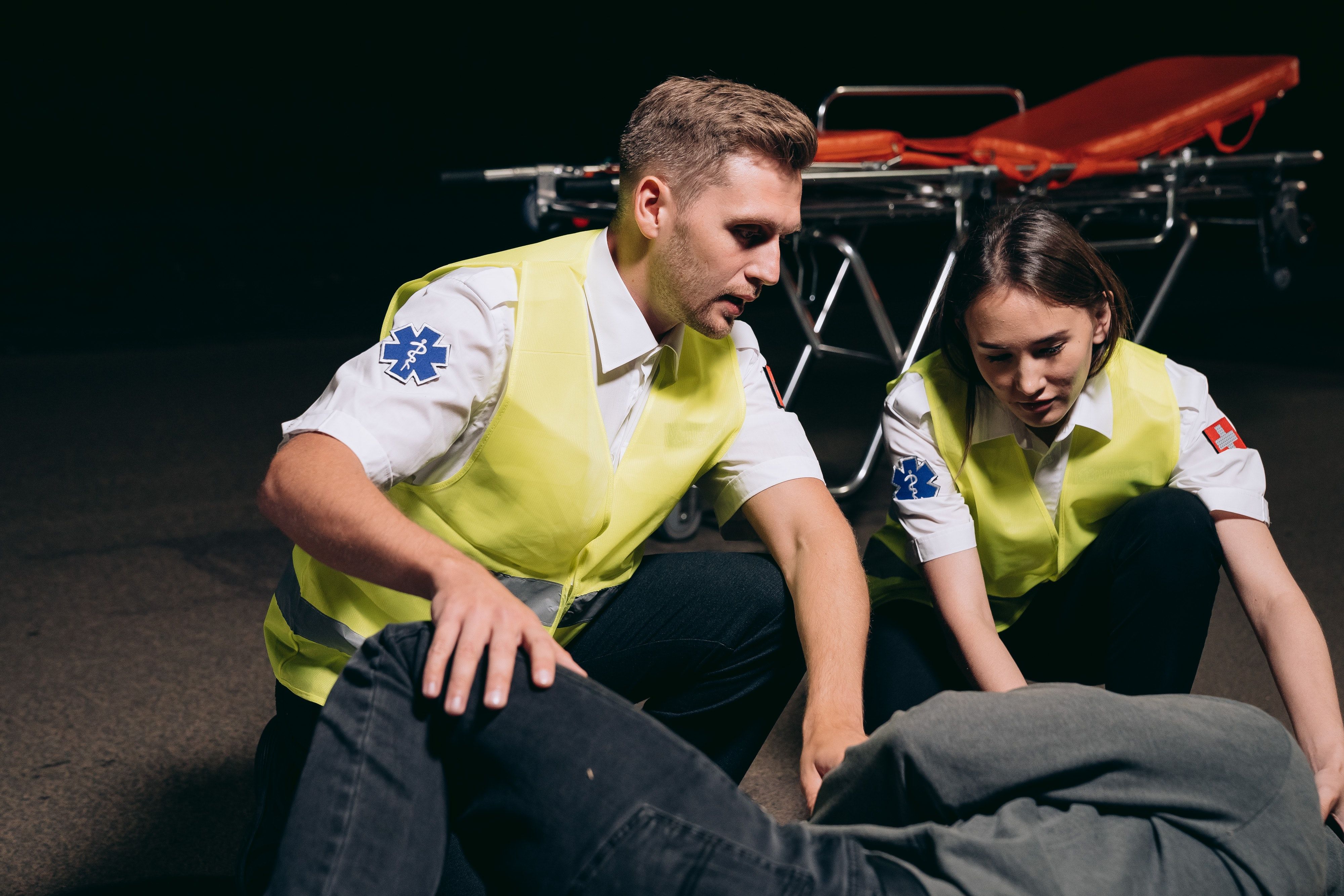
Naloxone, commonly known as Narcan, is a drug that quickly reverses overdoses by blocking the opioid effects from the brain. Naloxone has proven to be an effective tool in saving lives on the front lines of the opioid epidemic, by first responders, medical professionals and sometimes even administered by family members and friends.
Naloxone’s ability to save lives isn’t a theory – it’s a real solution being utilized in our communities to save the precious lives of our neighbors, family and friends.
Earlier this month, first responders saved six lives by administering naloxone to individuals overdosing on fentanyl in a park in Oceanside, California. Thanks to the swift response of firefighters, EMTs, lifeguards and police officers, all six individuals were revived with the administration of naloxone, narrowly escaping a potentially tragic fate. Without this timely intervention, the outcome could have been devastating, as fentanyl's potent effects can be lethal within a matter of minutes.
As the Oceanside Fire Department said in its media report, “If the patients had not been treated promptly, they would likely not have survived the overdose due to the extreme effects of the drug.”
Having Naloxone well stocked is becoming a critical component of operating a public safety division. Earlier this year, HarborPath partnered with the Seattle Fire Department and donated 1,000 vials of intramuscular naloxone for their paramedics and first responders. These types of partnerships are becoming essential for public safety departments across the country as they see staggering numbers of fentanyl poisonings and overdoses in their communities.
First responders play a pivotal role in safeguarding communities and saving lives. Equipping them with naloxone provides them with an essential tool to combat opioid-related emergencies effectively. By having naloxone on hand, they can rapidly intervene in critical situations, even before emergency medical services arrive. This swift response can mean the difference between life and death, as demonstrated in the Oceanside incident.
But first responders aren’t the only ones who should have access to this life-saving medication. In order for us to truly turn the tide in our nation’s efforts to save lives, we must continue advocating for avenues that get naloxone in the hands of everyday Americans.
Making naloxone accessible to the general public is equally vital. Friends and family members of individuals struggling with opioid addiction often find themselves in situations where they can provide life-saving assistance. With proper training and access to naloxone, these individuals can administer the antidote promptly in an overdose situation. The availability of naloxone empowers communities to take an active role in combating the opioid crisis, promoting a sense of responsibility and compassion.
While the benefits of naloxone are clear, there are still barriers to widespread access that must be addressed. Some of these barriers include cost, distribution, and the stigma surrounding addiction. Policymakers, healthcare providers, and advocates must work together to implement comprehensive strategies to overcome these challenges.
The incident in Oceanside, where naloxone was instrumental in saving six lives, serves as a poignant reminder of the importance of making this life-saving antidote accessible nationwide. We must prioritize efforts to equip first responders and the general public with naloxone to combat the opioid epidemic and prevent unnecessary overdose deaths. By addressing barriers to access and promoting awareness, we can work together to save lives.